

We’ve always heard the importance of eating our fruits and vegetables. But did you know that even with that message we have been fed our whole lives, 90% to 95% of Americans don’t eat the daily recommended amount of fiber?
Fiber is commonly praised for benefiting digestion, but it can also help improve heart health, blood sugar control, and appetite control. Whitney Linsenmeyer, a registered dietitian and spokesperson for the Academy of Nutrition and Dietetics, said that the large gap between how much fiber Americans are getting and what is recommended is the large reliance in the typical American diet on “animal-derived foods that contain no fiber, or highly processed foods that are also lacking in fiber.”
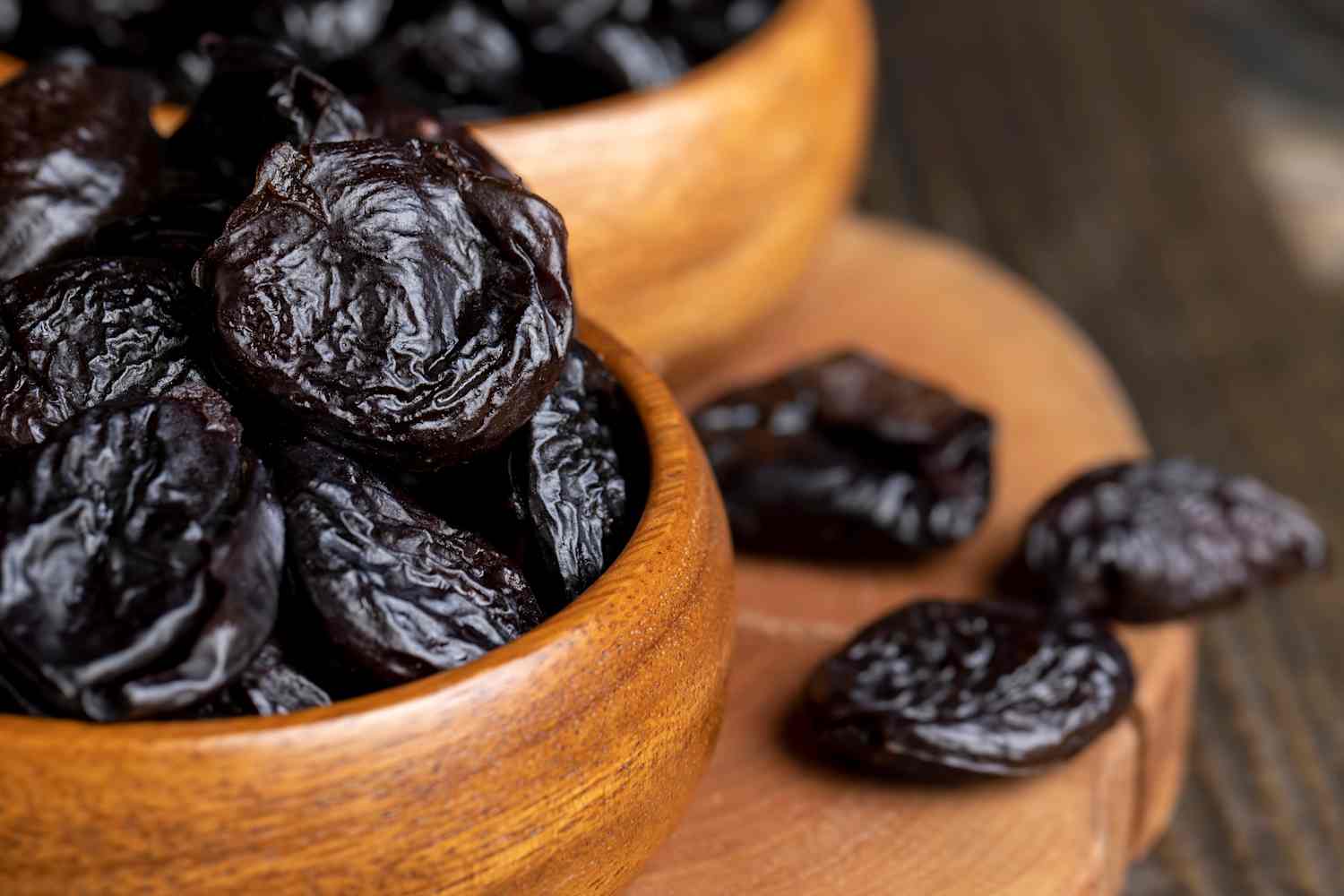
I have always equated prunes with fiber, but the average serving size of 5 to 6 prunes only contains about 3 grams of fiber. The daily recommended amount is 25 to 30 grams, so I asked two registered dietitians — Linsenmeyer and Lauren Manaker — to share what other foods are high in fiber that we can incorporate into our diets. These seven foods actually have more fiber than prunes.
Manaker says that chia seeds are “fiber powerhouses” because they have about 10 grams of fiber per serving. Chia seeds boast other qualities as well, like omega-3 fatty acids, protein, and antioxidants. Manker adds that chia seeds “help with digestion, support heart health, and keep you feeling full longer.” A few easy ways to add them into your diet are to sprinkle them on yogurt, blend them into smoothies, or make a chia pudding.
Lentils have 15.5 grams of fiber per one-cup serving. Manaker says lentils are a versatile legume to cook with, and they are packed with protein and iron as well. She says they are very easy to add to soups, stews, or salads to help increase your fiber.
I was surprised to find that raspberries have 8 grams of fiber per one-cup serving. According to Manaker, “These vibrant berries are not only high in fiber, but also a source of vitamin C and antioxidants, which support immune health and fight inflammation.” Whether you’re adding them to your morning cereal or just popping a few in your mouth on the go, these berries add some serious fiber to your diet.
Manaker also listed artichokes as a high-fiber food; they typically contain 9 grams of fiber per serving. Artichokes also contain prebiotics, which feed the good bacteria in your gut, Manaker adds. You can steam artichokes and enjoy them with a dip, or add them to salads and pasta dishes.
Besides prunes, beans are the quintessential food I think of when I want to eat more fiber. (Do we all remember the childish song from middle school?) While every bean is different, many of them are high in fiber. For example, black beans contain 15 grams of fiber per serving, cannellini beans have 13 grams per serving, and kidney beans contain 8 grams per serving.
Sorghum is a grain that contains 6 to 7 grams of fiber per serving. Manaker suggests eating and preparing sorghum just like rice or quinoa. “You can boil it, pop it, bake it, and experiment with it to bring a fresh twist to your favorite dishes,” she says. Barley is another grain that is high in fiber, which Linsenmeyer recommends.
Almonds, on average, contain about 3.5 grams of fiber per serving. Eating almonds is a quick and easy way to get a little fiber in — especially if you aren’t the biggest prune fan but want a more snacky option. Throw them in your salad, on your yogurt, or just in a bowl by themselves.
