

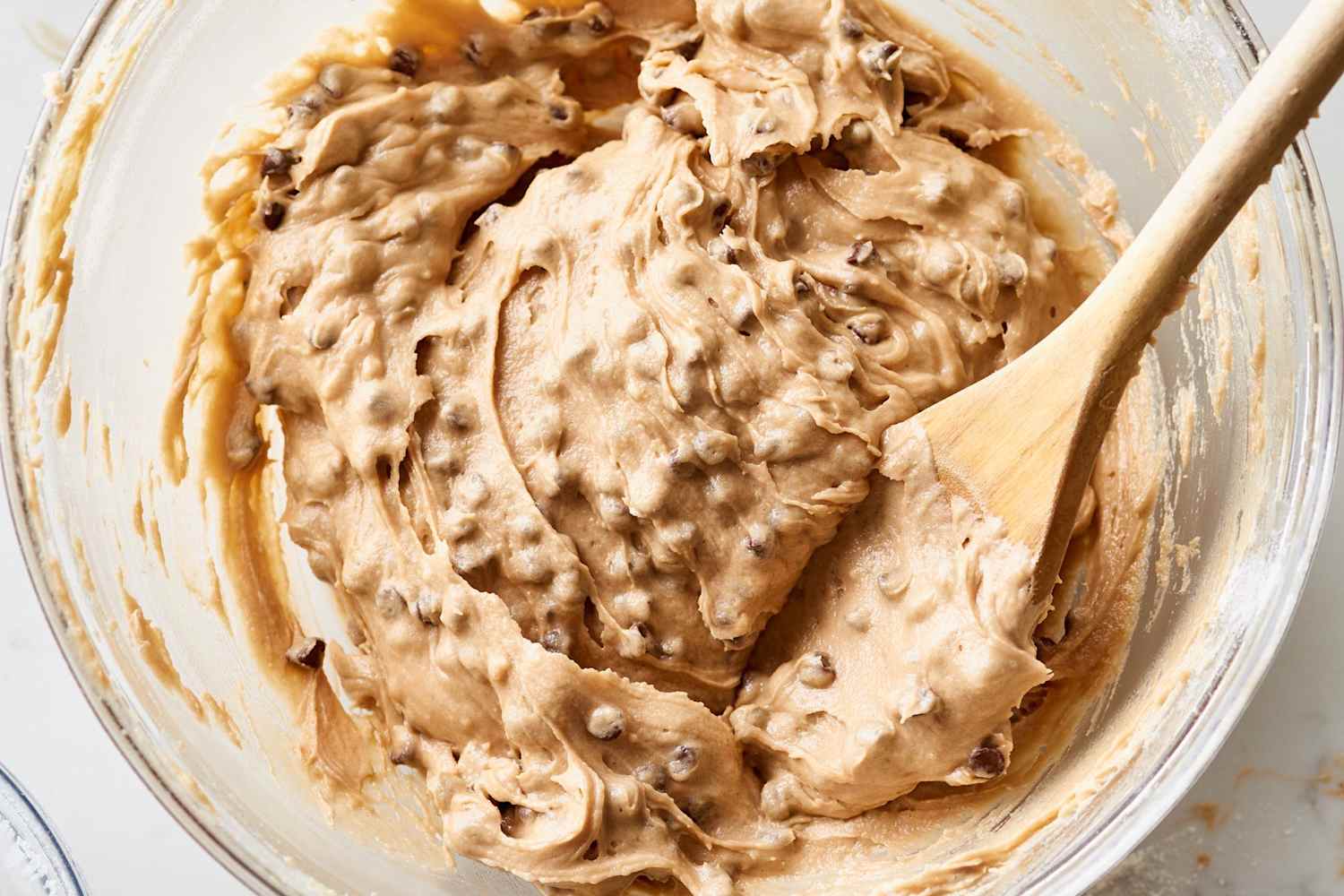
Nothing beats a homemade chocolate chip cookie — especially when it’s warm and fresh from the oven. Baking is one of my favorite pastimes, and normally I want to enjoy the fruits of my labor right away. But I’ve seen many recipes call for chilling cookie dough before you bake it. Most often I’m guilty of skipping this step, so I was curious to find out if it really does make a difference.
To get the scoop, I reached out to the experts (10, to be exact): Brigid Washington, chef, Trinidadian food writer, and author of Salt, Sweat, & Steam: The Fiery Education of an Accidental Chef; Michelle Palazzo, pastry chef at Frenchette; Morgan Larsson, executive pastry chef at The Ritz-Carlton, Tysons Corner; Verousce Mckibbin, executive pastry chef at The Ritz-Carlton, Amelia Island; Molly Coen, pastry chef at Carmel Valley Ranch; Joseph Paire, executive chef at Limewood Restaurant & Bar; Renata Ameni, executive pastry chef at Birdee; Eufronia Alba Arnez, pastry sous chef at The Ritz-Carlton, Pentagon City; Kristina Lavallee, also known as “The Cake Girl”; and Jacques Torres, master chocolatier and award-winning pastry chef. Here’s what they had to say.
Why It’s Worth It to Chill Cookie Dough Before Baking
All the chefs agreed that yes, it’s very much worth it, with Washington giving a resounding “100 percent.” She continued, “It allows the butter to harden, which makes the cookies spread less in the oven. Plus, [the dough is] also easier to scoop when it’s colder.” Palazzo and Coen both also agreed that it’s crucial to help control the shape. Skipping this step will result in a thin, flat, crispy cookie, Larsson and Arnez added (which may be fine if that’s what you’re going for).
But if you want bakery-style cookies, chilling is the way to go. “You normally get chewier centers and more caramelization,” says Mckibbin. “Chilling matters most with brown butter dough, chocolate chip cookies, and high-butter doughs.” Paire also says that that solidified butter also improves the texture, “giving the cookies a better crumb since the fat content becomes more evenly distributed during the chilling process.”
Not only is it important texture-wise, but chilling the dough first also gives you a leg up on flavor. “It gives the flour a chance to hydrate. This, as well as aging the dough, allows the sugar to become more concentrated, which will enhance browning and all-over taste of the cookie,” said Palazzo.
While chilling is recommended across the board, there was more variance in exactly how long you need to do it for. Palazzo gave a range of “a minimum of 8 hours and up to 2 days in the fridge.” If you’re short on time, Mckibbin argued that “even 20-30 minutes in the freezer helps a lot,” while Ameni says that “at least an hour” will also make a difference.
However, Torres was set on 24 hours. “It will help develop and mature flavors in the dough. It will also relax the gluten and create a better mouthfeel of the product. I started doing this when I came up with my chocolate chip cookie recipe decades ago. It really does make a difference!” he said. (We’ve tried his recipe before, and can confirm they are “excellent.”)
Lavallee added, “Some cookie recipes are more forgiving than others, but for chocolate chip cookies in particular, I always recommend chilling the dough if you have the time. Just like with many things in baking, patience is something that pays off in recipes like this.”
Plus, it’s a great way to get the kids involved. Washington shared that if she’s just making the cookies on her own, she’ll scoop the dough out onto a sheet pan and put the whole thing in the fridge. “But if my children are helping me, and I need to give them some heavy work, I’ll chill the whole bowl and then let them kind of muscle through scooping it.”
