

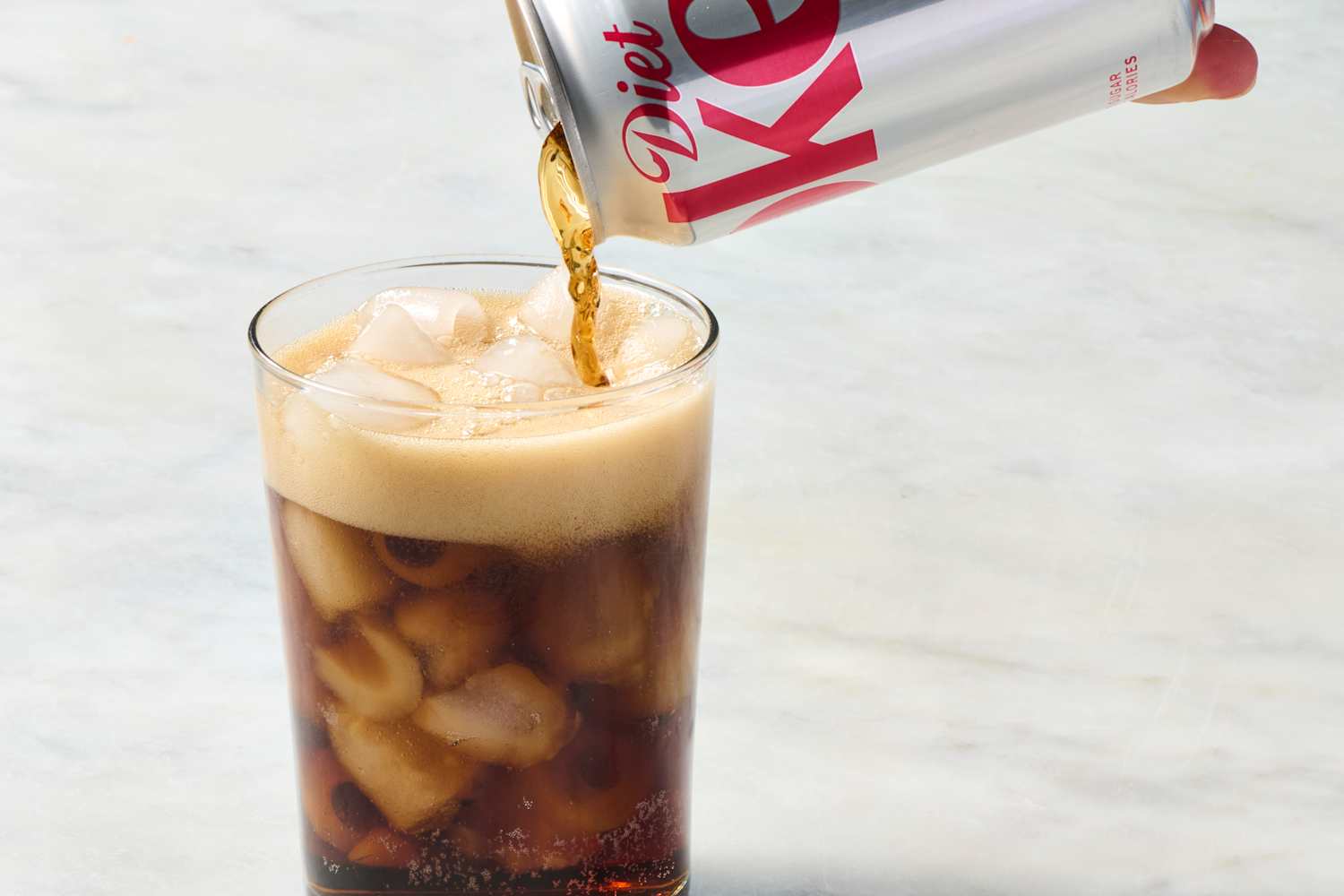
In recent years, major soda brands have expanded their offerings with the launches of new flavors — and alongside them, zero-sugar versions. Take Dr. Pepper Strawberries & Cream, for example, or the limited-edition 7UP Shirley Temple. The idea is to provide consumers with that classic bubbly mouthfeel and fun new flavor, but with less sugar.
And then there are diet sodas, of course, which have been around for longer and thus have garnered a beloved following — so much so that one of our writers even griped about how difficult it was to find outside the United States.
But have you ever wondered if there’s a real difference between diet soda and zero-sugar soda? And if one option is better for you than the other? We reached out to three dietitians to find out. Here’s what they had to say.
What Is the Key Difference Between Diet Soda and Zero-Sugar Soda?
Jessica McAllister, MS, RDN, who specializes in performance nutrition for women, said, “From a nutrition standpoint, diet soda and zero-sugar soda are essentially the same — both are calorie-free, sugar-free, and have similar health effects when consumed in moderation.” The ingredients and the way they’re made set the two apart.
“The biggest difference is formulation and taste. Diet sodas traditionally rely on aspartame, while many zero sugar sodas use sweetener blends to mimic the flavor of regular soda,” McAllister said. “Zero-sugar sodas have entered the zeitgeist more in recent years, and that’s no mistake, due to the way they’re marketed. The ‘zero-sugar’ label is more about modern branding than a meaningful nutritional upgrade. Zero-sugar sodas tend to win on taste, which helps explain why beverage companies have expanded zero-sugar lines and shelf space in recent years while ‘diet’ branding has declined.”
Erin Jowett, MS, RD, LDN, founder of Integrative Weight & Wellness, was in agreement: Nutrition-wise, they are the same. “The main difference is branding and taste profile. ‘Zero-sugar’ is a newer label that often appeals to people who want the taste of regular soda without sugar, while ‘diet’ soda traditionally uses a distinct blend of artificial sweeteners for a lighter mouthfeel. Metabolically, the body doesn’t see any difference,” Jowett said.
Isabel Garza, RDN, founder of Women Wise Nutrition, expanded a bit more on the labeling, saying, “Both the terms ‘diet’ and ‘zero-sugar’ are regulated by the U.S. Food and Drug Administration and are considered nutrient content claims. The term ‘diet’ indicates that a product is low-calorie, calorie-free, or a reduced-calorie version of a reference product. ‘Zero-sugar,’ on the other hand, means the product contains less than 0.5 grams of sugar per serving. However, neither claim implies any health, weight-loss, or metabolic benefit.”
Which Is Better for Your Health?
So which is better for you? Ultimately neither, as nutrition-wise they’re basically the same. All three dietitians agreed that having a diet soda or zero-sugar soda occasionally is fine if it’s helping you meet your goals or used as a stepping stone. However, they also were all in agreement that daily consumption isn’t recommended and can reinforce a preference for very sweet flavors and skew the palate.
“Frequent exposure to intensely sweet sugar alternatives (many of which are several times sweeter than table sugar) can raise your sweetness threshold. When this happens, sweet foods may feel less satisfying, reinforcing a preference for highly sweetened foods and beverages and perpetuating a cycle of cravings,” Garza said.
Jowett, however, did note that she tends to recommend diet sodas over zero-sugar options because, “It may be more helpful in shifting habitual taste preferences over time, rather than reinforcing the flavor profile of regular soda.”
McAllister also added, “Some people experience GI discomfort or headaches with certain sweeteners,” while Garza also mentioned that “artificial sweeteners have been shown to alter the gut microbiome, which may contribute to digestive symptoms, changes in appetite regulation, and increased cravings over time.”
At the end of the day, if you want to pop open a can here or there, it’s fine — but the dietitians we surveyed caution against making it a daily habit. As McAllister said, “Moderation and context matter far more than the label on the can or bottle.”
